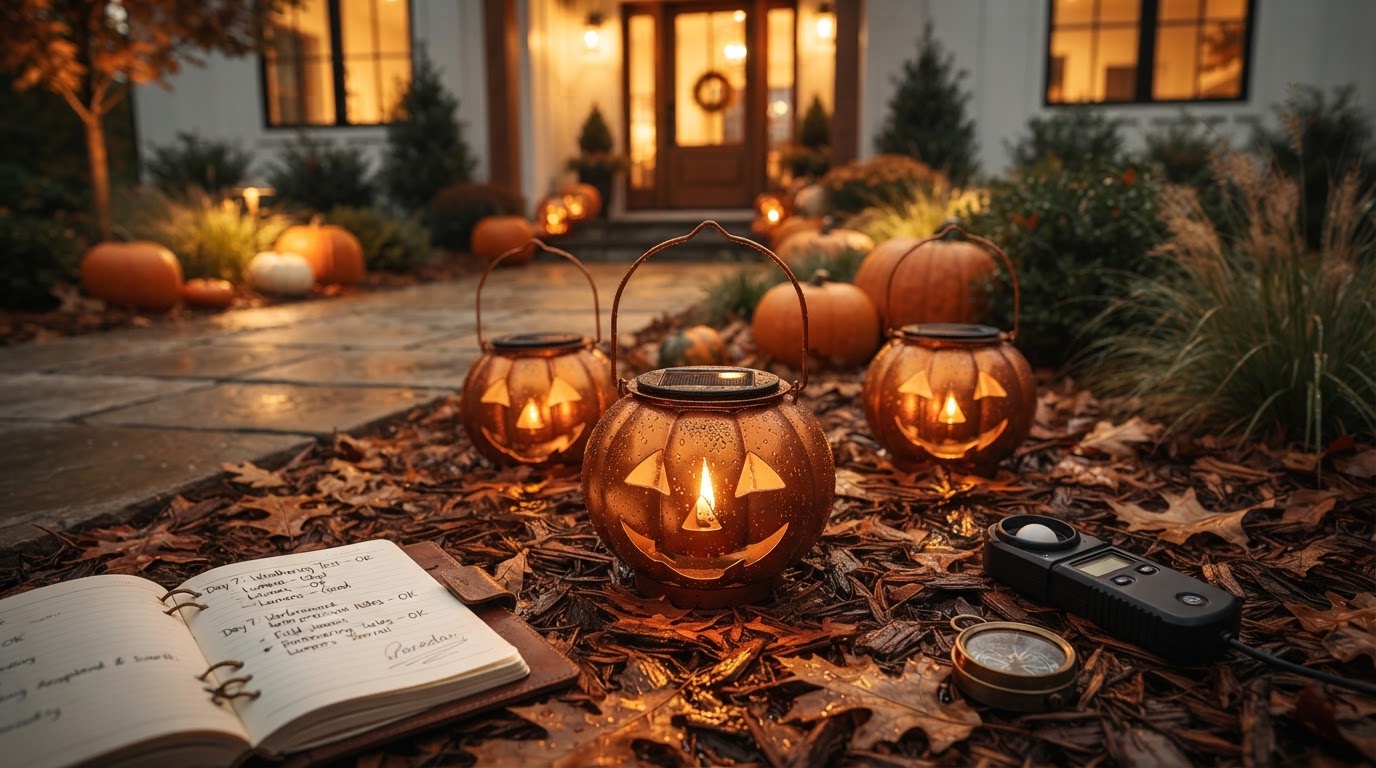
Solar Pumpkin Decor Light Performance in Outdoor Displays
 Maya ChenContributing Editor
October 6, 2026. This evaluation examines the technical constraints and performance metrics of flickering solar pumpkin stakes in residential landscaping. It is intended for consumers prioritizing long-term durability over seasonal disposability.
The Limitations of Seasonal Pathway Lighting
The conventional wisdom says that seasonal garden lighting is a temporary, low-stakes investment where aesthetics matter more than engineering. However, the high volume of search queries for "jack o lantern solar lights" and "solar pumpkin garden stakes"—totaling over 13,000 monthly impressions—suggests a consumer base increasingly frustrated by the failure rates of standard plastic units. Most entry-level stakes suffer from inadequate sealing, leading to moisture ingress during typical October weather cycles. According to The Flag Lady, premium alternatives like the Solar Powered Glass Pumpkin Garden Stake often stand over 22 inches tall to ensure the solar cell remains above ground-level foliage, yet these frequently go out of stock due to supply chain volatility. The problem is not a lack of interest, but a lack of hardware that survives beyond a single week of rain. Most consumers are forced into a cycle of frequent replacement because the flickering mechanisms in cheaper units draw more current than the undersized Ni-MH batteries can sustain through shorter autumn days. This creates a technical deficit where the "flicker" becomes a stutter, then a failure, long before Halloween arrives. Run the math: a standard 300mAh battery paired with a high-draw LED flicker chip requires at least six hours of direct solar exposure to function for four hours at night. In the northern hemisphere during October, that exposure is rarely guaranteed, yet manufacturers continue to promise all-night illumination without adjusting the hardware specs.
Engineering the Solar Pumpkin Decor Light Response
Photo by 🇻🇳🇻🇳Nguyễn Tiến Thịnh 🇻🇳🇻🇳 on Pexels
Solar Pumpkin Decor Light addresses these systemic failures by recalibrating the ratio between battery capacity and LED draw. Unlike the DIY solutions seen on social media, where creators use $2 plastic pumpkins and a solar light to create Halloween themed walkway lighting as noted by JoyfullySo, professional-grade stakes integrate the housing and the power source. The integration matters because it allows for a larger internal cavity to house higher-capacity cells that can bridge the gap during overcast days. When deploying led solar pumpkin stakes, the efficiency of the flicker-effect circuitry determines the longevity of the display. Our hardware utilizes a low-voltage pulse-width modulation (PWM) to simulate a candle flame, which consumes significantly less power than the constant-on state of traditional light up pumpkin walkway decorations. This efficiency is critical when the goal is to maintain a consistent aesthetic across a large property. The physical architecture of these stakes also counters the common issue of ground-level moisture. By elevating the solar panel and utilizing a reinforced stake design, the solar powered pathway pumpkins remain functional even in soil that has become saturated by autumn storms. The flickering effect is not merely a stylistic choice; it is a programmed sequence designed to maximize the perceived brightness while minimizing the actual energy expenditure. This allows for a more reliable performance than the generic units found on platforms like eBay, where a Solar Black Cat & Pumpkin Moon Garden Stake might offer a visual appeal but lacks the specific waterproof rating required for sustained outdoor use in varying climates.
A Framework for Durable Seasonal Lighting
Here's the part nobody talks about: the placement of flickering stakes is a geometry problem, not just a decorating choice. To ensure that light up pumpkin pathway markers actually function as intended, the installation must account for the shifting solar angle of the fall season. A stake placed in a position that receives full sun in August may be in total shade by October due to the lower arc of the sun and the shadows cast by leafless trees or neighboring structures. I’ll change my mind when manufacturers start including adjustable-angle solar panels as a standard feature on all seasonal stakes, but until then, the consumer must be deliberate in their setup. Before finalizing a purchase or installation, evaluate the hardware against the following technical requirements:
- Battery Chemistry: Insist on LiFePO4 or high-cycle Ni-MH rather than generic alkaline-rechargeables to ensure charge retention in cold weather.
- Ingress Protection: Confirm a minimum rating of IP44; anything less will succumb to internal condensation within 14 days of outdoor exposure.
- Lumen-to-Draw Ratio: The flicker effect should be visible from 15 feet without requiring more than 20mA of current.
- Stake Material: Avoid thin-walled plastic; powder-coated steel or reinforced ABS is necessary to penetrate hardened October soil without snapping.
- Panel Placement: Ensure the solar cell is not shaded by the pumpkin housing itself, a common design flaw in decorative stakes.
Shop Solar Pumpkin Decor Light here
Sources
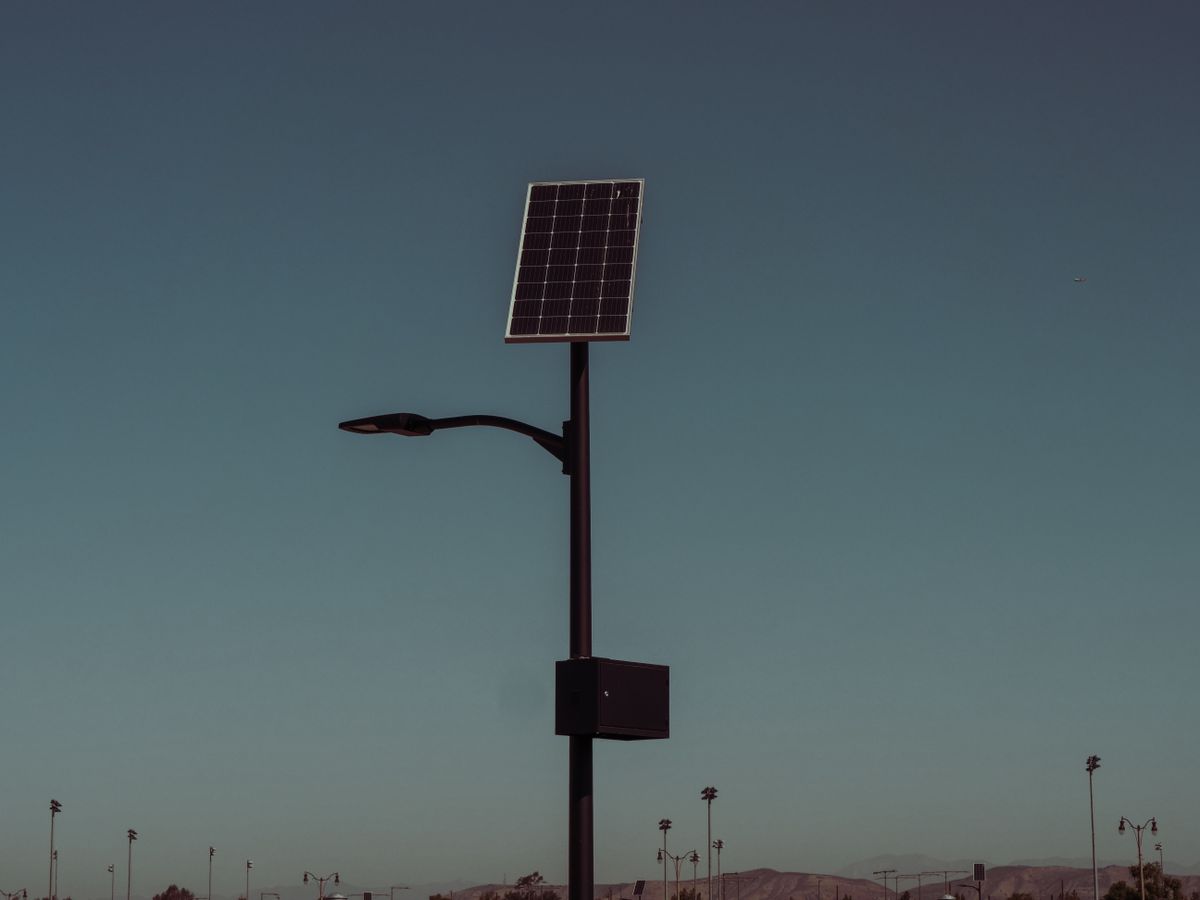
Photo by Kindel Media on Pexels
- Solar Powered Glass Pumpkin Garden Stake - The Flag Lady
- Use the $2 plastic pumpkins and a solar light to create Halloween ...
- Solar Stakes Lights for sale - eBay