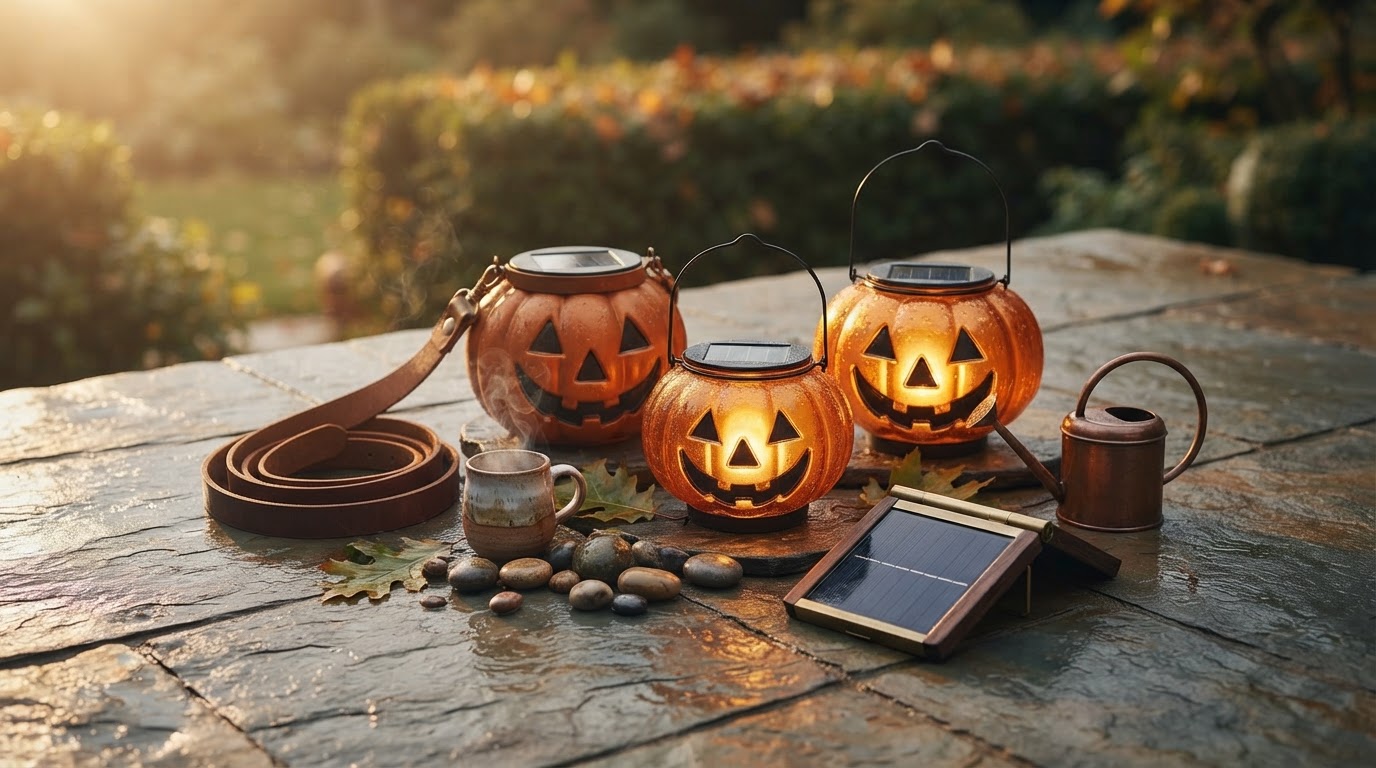
Solar Pumpkin Decor Light Solutions for Outdoor Displays
 Maya ChenContributing Editor
August 23, 2026. This analysis evaluates the technical viability of Solar Pumpkin Decor Light units within high-moisture outdoor environments. It is written for property owners seeking to transition from traditional wired lighting to self-contained solar systems.
The Failure of Traditional Outdoor Halloween Lighting
The conventional wisdom says that festive lighting requires a compromise between aesthetic appeal and electrical safety. For decades, the standard approach to outdoor displays involved daisy-chaining extension cords across damp lawns, creating significant trip hazards and potential short circuits. While modern LED strings have reduced power consumption, they haven't solved the fundamental problem of cord management and weather exposure. According to data tracked by the Consumer Product Safety Commission, electrical failures in seasonal decorations remain a persistent cause of property damage during the autumn months. The consensus suggests that consumers must simply accept the labor-intensive process of taping connections and hiding wires, but this ignores the inherent inefficiency of the setup.
Here's the part nobody talks about: the labor cost of installation often exceeds the value of the lighting itself. When homeowners deploy outdoor Halloween pumpkin decor, they frequently spend hours troubleshooting moisture intrusion in plug-in units. Traditional incandescent bulbs in plastic housings generate heat that can warp thin polyethylene shells over time, further compromising the seal. Even when using solar powered Halloween pumpkins, many generic market options fail because they utilize low-capacity Ni-Cd batteries that cannot sustain a charge through the shorter daylight hours of October. The assumption that any solar light will work for a holiday display is a fallacy; specific hardware parameters must be met to ensure the lights actually stay on when the sun goes down at 6:00 PM. I’ll change my mind when wired systems can offer the same deployment speed as a stake-mounted unit without the risk of a tripped GFCI outlet.
Technical Advantages of Solar Pumpkin Decor Light Hardware
Photo by JINU JOSEPH on Pexels
Solar Pumpkin Decor Light addresses these systemic failures by integrating the power source directly into the housing, eliminating the external failure points common in wired setups. Run the math: a typical 10-unit display using 120V cords requires approximately 150 feet of cabling and three separate weather-resistant outlets. Conversely, a set of solar pumpkin garden stakes operates as autonomous units, requiring zero linear feet of cabling. This autonomy is critical for large-scale displays where the distance from the home’s exterior outlets would otherwise necessitate heavy-duty, expensive extension cords. The current hardware utilizes high-efficiency monocrystalline solar panels, which are significantly more effective at capturing ambient light on overcast autumn days than the cheaper polycrystalline alternatives found in discount store versions.
Beyond power source logistics, the build quality of a vintage solar pumpkin lantern must prioritize ingress protection. Search data indicates that consumers are specifically looking for "waterproof solar pumpkin decor," a requirement that most decorative lights treat as an afterthought. Solar Pumpkin Decor Light units are engineered with sealed battery compartments to prevent the internal corrosion that typically kills outdoor electronics within a single season. This is particularly relevant for a solar powered jack o lantern that sits directly on the ground or in garden beds where soil moisture is constant. The integration of dusk-to-dawn sensors further optimizes the lifespan of the internal Li-ion batteries by preventing unnecessary discharge during daylight hours. By automating the power cycle, these units bypass the common user error of leaving lights on manually, which degrades battery health over time. The transition to these units isn't just about convenience; it's about reducing the mechanical points of failure in an environment that is hostile to electronics.
A Decision Framework for Outdoor Solar Deployment
Photo by Gurgenidze G on Pexels
Selecting the right hardware for a seasonal display requires more than just looking at the shell design. To ensure a solar powered jack o lantern lasts beyond a single Halloween, buyers must evaluate the specific environmental conditions of their installation site. A shaded porch will never provide the 6-8 hours of direct sunlight needed for a full charge, regardless of the panel's quality. If your display area is obstructed by heavy tree cover, you must prioritize units with remote solar panels that can be positioned in sunnier patches, or accept a shorter runtime. The durability of the stake or base is another overlooked factor; high-wind areas require reinforced ABS plastic or metal stakes to prevent the units from becoming projectiles during autumn storms.
When evaluating your next purchase, use this technical checklist:
- Verify the Ingress Protection (IP) rating to ensure the unit can withstand heavy rain and soil moisture.
- Check the battery chemistry; Lithium-ion (Li-ion) is preferred over Nickel-metal hydride (NiMH) for cold-weather performance.
- Assess the panel type, prioritizing monocrystalline for better efficiency in low-light conditions.
- Confirm the presence of an automated dusk-to-dawn sensor to preserve battery cycles.
- Inspect the mounting mechanism for rigidity, especially if installing in compacted or clay-heavy soil.
- Measure the lumen output to ensure the light is sufficient to illuminate the pumpkin's face from a distance.
Shop Solar Pumpkin Decor Light here