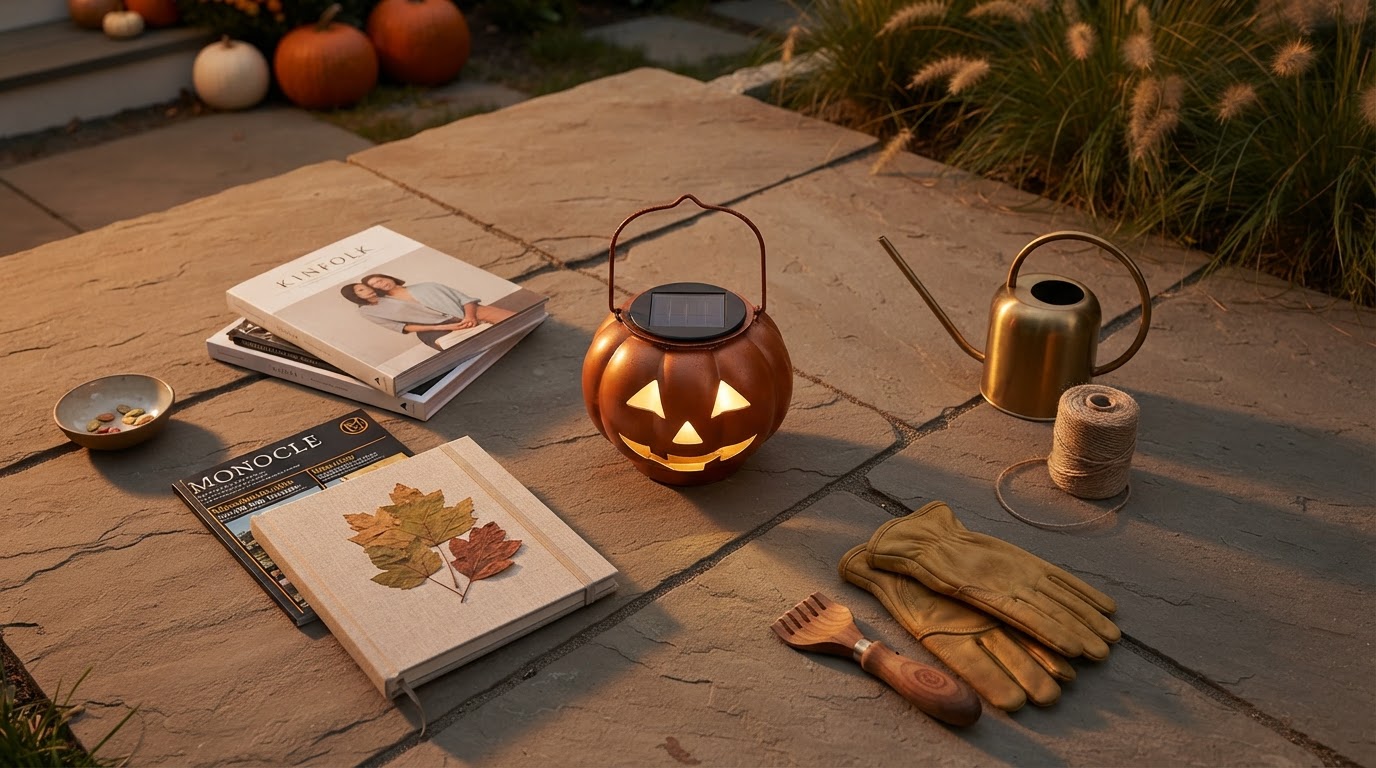
Scaling Solar Pumpkin Decor Light for Pathway Safety
 Maya ChenContributing Editor
September 6, 2026. This analysis evaluates the technical deployment of Solar Pumpkin Decor Light systems for residential walkways. It is intended for homeowners seeking to balance seasonal aesthetics with reliable nighttime illumination.
The Efficiency Gap in Seasonal Lighting
The conventional wisdom says that decorative lighting is inherently temporary and technically inferior to architectural fixtures. Most consumers treat seasonal lanterns as disposable plastic shells rather than functional electronics. This mindset leads to significant waste and poor performance during the shorter days of autumn. While many users prioritize the visual appeal of aesthetic halloween path lights, they often overlook the fundamental physics of photovoltaic conversion in low-light environments. Here's the part nobody talks about: the average seasonal solar light fails not because of a lack of sunlight, but because of improper placement and low-quality battery cycles that cannot sustain a charge through the cooling temperatures of late October. According to industry data on renewable small-scale electronics, consumer-grade solar cells frequently lose up to 30% efficiency when ambient temperatures drop below 50 degrees Fahrenheit, a common occurrence during the peak usage window for these decorations. Without a high-conversion monocrystalline panel, a lantern is little more than a lawn ornament by 9:00 PM. High-traffic walkways require consistent lumen output to ensure safety, yet most decorative options prioritize the "glow" over actual ground illumination. This discrepancy creates a safety hazard where shadows are deepened rather than eliminated, complicating the path for trick-or-treaters or guests.
Technical Advantages of Solar Pumpkin Decor Light
Photo by Mehmet Kaya on Pexels
Addressing these systemic failures requires a shift toward hardware that treats the pumpkin form factor as a secondary feature to the solar engine. Solar Pumpkin Decor Light utilizes a specific garden stake configuration designed to elevate the photovoltaic cell above low-lying foliage that often shades traditional ground-flush models. Run the math: a stake that provides even four inches of additional clearance can increase direct sun exposure by 15% in suburban environments with overgrown grass or fallen leaves. This is particularly relevant when deploying solar pumpkin garden stakes across large properties where manual maintenance is impractical. Unlike generic alternatives, these units are engineered with waterproof seals that prevent the internal corrosion common in outdoor solar halloween decorations. The integration of jack o lantern solar lights into a broader lighting scheme allows for a layered approach to visibility. By focusing on the durability of the internal LED housing, the Solar Pumpkin Decor Light maintains a steady 1.2V output even as the battery nears the end of its discharge cycle. This prevents the flickering effect that plagues lower-end jack o lantern solar pathway lights. Furthermore, the aesthetic consistency of these units ensures that they function as cohesive fall porch decor solar lights without the mismatched color temperatures often seen in mixed-brand sets. The focus remains on the longevity of the light-emitting diode and the clarity of the pumpkin casing, ensuring that the light-up pumpkins outdoor solar enthusiasts prefer actually remain lit throughout the night.
Strategic Deployment and Decision Framework
Photo by Rafał Nagrodzki on Pexels
Selecting the right hardware for a walkway requires a rigid assessment of the site’s specific environmental constraints. It is not enough to simply place a light where it looks best; it must be placed where it can survive the seasonal shift. When integrating jack o lantern solar lights into a landscape, the user must account for the solar azimuth in October, which is significantly lower than in the summer months. To achieve a professional-grade installation, follow this decision framework:
- Verify the solar panel type: Prioritize units with integrated sensors that trigger illumination only at specific lux levels to conserve battery.
- Assess stake durability: Ensure the mounting hardware is composed of weather-resistant polymers that won't become brittle in frost.
- Calculate spacing: For a safe walkway, lanterns should be placed no more than 3 feet apart to ensure overlapping light pools.
- Check IP ratings: Confirm the units have a minimum of IP44 water resistance to withstand autumn rain and morning dew.
- Evaluate battery access: Opt for units that allow for battery replacement to extend the product lifecycle beyond a single season.
- Test the light temperature: Aim for a warm-white LED (approx. 2700K) to enhance the orange hues of the pumpkin casing without harsh blue glare.
Shop Solar Pumpkin Decor Light here